Contact us
Contact Nuveen
Thank you for your message. We will contact you shortly.

Sour fruit gummies or melt-in-your-mouth chocolate?Halloween week is here, with a Federal Reserve rate decision and the release of the Fed’s preferred inflation gauge ringing doorbells within 24 hours of each other. CME FedWatch is currently pricing an 92% probability that the Fed will pause at Wednesday’s meeting, keeping the fed funds rate in a target range of 3.75% to 4.00%. No matter what the Fed decides to do — or say — it will give financial markets plenty to chew on. But a pause shouldn’t be mistaken for a pivot. In fact, a potential December hike remains on the table amid persistent, above-target inflation.
And the next major inflation data point arrives on Thursday in the form of the Personal Consumption Expenditures (PCE) Price Index for September. Consensus forecasts call for headline PCE of approximately 3.7% year over year, while core PCE (which excludes volatile food and energy costs and is the Fed’s favored inflation indicator) is expected to come in at around 3.1%. At those levels, both readings would remain well above the Fed’s 2% target. Moreover, because they’re arriving on the heels of recently released hotter-than-anticipated September prints of the Consumer Price Index (CPI) and Producer Price Index (PPI), this week’s PCE numbers may be the critical input in determining whether the Fed’s December hike intentions will remain intact.
Still haunted by higher-for-longer rates. In the wake of the Fed’s September pivot back to tightening, markets are now pricing three additional rate hikes through year-end 2027 (Figure 1). Sticky inflation, fueled by energy costs, tariffs and robust AI-driven activity, has forced investors to trade earlier rate cut hopes for the near certainty of more hikes.
The shadows cast by inflation and tighter financial conditions haven’t gone unnoticed, as we saw last week in the final October reading of the University of Michigan consumer sentiment index. Although the index held relatively steady, edging down only slightly to 48.0 from September’s 48.1, consumer sentiment remains near all-time lows as households continue to worry about the state of the economy and their family finances. In the housing market, rising materials and energy costs, tariffs and high mortgage rates drove a downside surprise in the NAHB homebuilder confidence index, which fell to a 14-year low. Unlike the housing market and consumer sentiment, the broader U.S. economy continued to show resilience. The “flash” (preliminary) S&P Global Purchasing Managers’ Indexes (PMIs) for October manufacturing and services were 56.0 and 57.9, respectively. (PMI readings above 50 signal expansion.)
In this environment, certain lesser-known areas of the bond market may be attractive both for their potential resilience in the face of higher inflation and interest rates, and because of potential opportunities arising specifically from their distinctive investment characteristics and lower market profile. Securitized credit assets are one such area that we believe warrants consideration.
While the Fed may stay on hold this week, the odds suggest more rate hikes could be coming the end of 2027.

Portfolio considerations
Securitized fixed income assets are pools of individual debt instruments, such as mortgages or other loans, that have been converted into tradable securities and provide cash flows to investors. We see three factors that make the securitized sector an especially compelling source of investment opportunity: the nature of the underlying collateral; the complexity of the securities themselves; and the relative lack of market attention focused on the asset class.
Underlying collateral. The securitized credit sector spans more than 25 different types of collateral, encompassing more than $4 trillion of capital. Two of the most frequently used collateral types are residential and commercial real estate. Fewer homes and office buildings are being built due to high construction costs. This reduces supply but increases the projected value of the collateral and provides critical credit support to the bonds investors may have exposure to. Additionally, many of these underlying assets have floating rate structures or shorter duration — potential advantages to mitigate the impact of interest rate volatility, thanks to quicker adjustments when rates change.
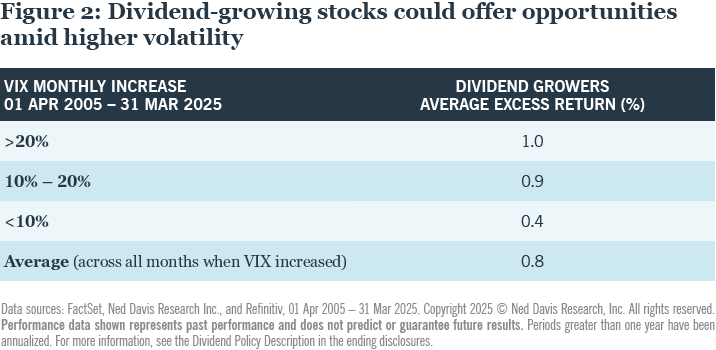
Complexity. Many types of collateral support securitized assets. Projected property valuations, regional price trends, employment rates, economic expectations and anticipated free cash flows are key factors in these deals. The unique nature of these investments requires a high degree of sepecialization and expertise to underwrite not just the different collateral types, but also the unique structures and terms as well. As a result, securitized assets often trade at a yield premium over more commonly covered areas of the market (Figure 2) given lower overall demand from less sophisticated investors who are unable or unwilling to take advantage of these securities.
Less market attention, more potential income. Most investors tend to gravitate toward more traditional securitized products like agency mortgage backed securities (MBS) because this segment represents about 25% of the market value of the industry standard fixed income benchmark (Bloomberg US Aggregate Index). But we think such securities offer relatively limited income potential due to their very high quality. In contrast, we believe that focusing on the fundamentals of select, less-followed areas of the securitized asset class should enable specialized investors to identify investment opportunities that generate substantial, consistent income.
Securitized assets, especially the more esoteric areas of the market, have the potential to deliver substantial, consistent income.
Nuveen’s Global Investment Committee (GIC) brings together the most senior investors from across our platform of core and specialist capabilities, including all public and private markets.
Regular meetings of the GIC lead to published outlooks that offer:
- macro and asset class views that gain consensus among our investors
- insights from thematic “deep dive” discussions by the GIC and guest experts (markets, risk, geopolitics, demographics, etc.)
- guidance on how to turn our insights into action via regular commentary and communications
Related articles

Oil shock keeps Fed and bond markets guessing

The Fed dishes a dose of tightening

CIO commentary archive
About the author

Contact us

You are on the site for: Financial Professionals and Individual Investors. You can switch to the site for: Institutional Investors or Global Investors
Endnotes
Sources
All market and economic data from Bloomberg, FactSet and Morningstar.
This material is not intended to be a recommendation or investment advice, does not constitute a solicitation to buy, sell or hold a security or an investment strategy, and is not provided in a fiduciary capacity. The information provided does not take into account the specific objectives or circumstances of any particular investor, or suggest any specific course of action. Investment decisions should be made based on an investor’s objectives and circumstances and in consultation with his or her financial professionals.
The views and opinions expressed are for informational and educational purposes only as of the date of production/writing and may change without notice at any time based on numerous factors, such as market or other conditions, legal and regulatory developments, additional risks and uncertainties and may not come to pass. This material may contain “forward-looking” information that is not purely historical in nature.
Such information may include, among other things, projections, forecasts, estimates of market returns, and proposed or expected portfolio composition. Any changes to assumptions that may have been made in preparing this material could have a material impact on the information presented herein by way of example. Performance data shown represents past performance and does not predict or guarantee future results. Investing involves risk; principal loss is possible.
All information has been obtained from sources believed to be reliable, but its accuracy is not guaranteed. There is no representation or warranty as to the current accuracy, reliability or completeness of, nor liability for, decisions based on such information and it should not be relied on as such. For term definitions and index descriptions, please access the glossary on nuveen.com. Please note, it is not possible to invest directly in an index.
Important information on risk
All investments carry a certain degree of risk and there is no assurance that an investment will provide positive performance over any period of time. Equity investments are subject to market risk, active management risk, and growth stock risk; dividends are not guaranteed. Non-U.S. investments involve additional risks, including currency fluctuation, political and economic instability, lack of liquidity and differing legal and accounting standards. These risks are magnified in emerging markets. Debt or fixed income securities are subject to market risk, credit risk, interest rate risk, call risk, tax risk, political and economic risk, and income risk. As interest rates rise, bond prices fall. Credit risk refers to an issuer’s ability to make interest payments when due. Below investment grade or high yield debt securities are subject to liquidity risk and heightened credit risk. Investing in securitized assets entails various risks, including credit risks inherent in the underlying collateral, real estate market risk, interest rate risk, liquidity risk and prepayment risk. Collateralized loan obligations are subject to potential liquidity risk and higher price volatility as well as the risk of a lack of an active trading market for certain loans that may impair the ability to value such loans. It is important to review your investment objectives, risk tolerance and liquidity needs before choosing an investment style or manager.
Nuveen, LLC provides investment services through its investment specialists.
This information does not constitute investment research as defined under MiFID.
Not registered yet? Register