What the global housing shortage (and recovery) means for natural capital investment
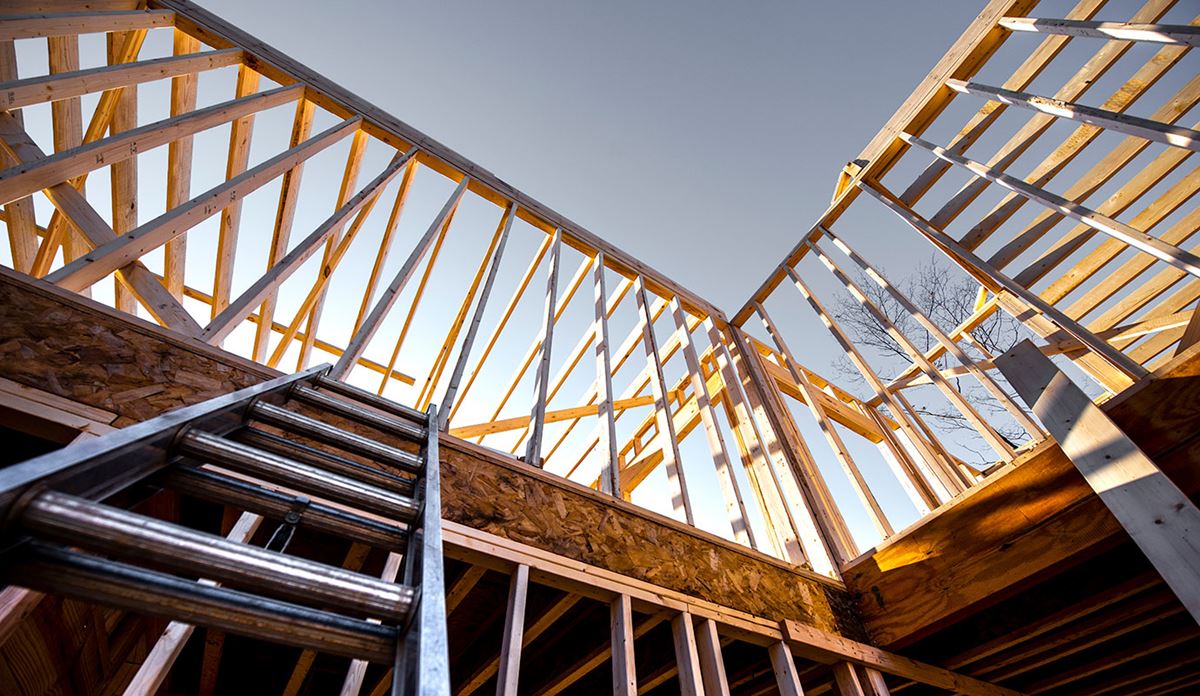
The residential housing sector is a central driver of wood consumption in major developed markets worldwide. After years of underbuilding relative to demand, the U.S., Canada, Australia, the U.K. and the EU all face massive housing shortages. We estimate about 5.1 million new housing units per year for the next ten years are needed to make up for the shortfall across these five markets alone. That is about a 40% increase compared to current levels and would significantly boost demand for sustainable timber and a wide range of wood products.
The solution to the global housing shortage sounds deceptively simple: build more houses. However, a closer look reveals that the underlying causes of the housing shortage vary by country and region. The solution will likely require a mix of investment and policy to increase the pace of new residential construction and improve affordability.
In this paper, we explore the housing shortage and factors that have contributed to years of underbuilding relative to demand. We examine affordability challenges facing would-be homebuyers and evolving market conditions and policy initiatives aimed at improving affordability and spurring new residential construction. Finally, we identify links between the housing sector demand for wood and natural capital investment, highlighting timberland investment regions well positioned to benefit from expected increases in residential construction activity.
Related articles
Where farmland returns actually come from

Agri Investor Keynote Interview: Adding Value from Ecosystem Restoration

Nuveen Natural Capital Sustainability Report 2026
About the author

Contact us

















- +44 20 3727 8000
- 201 Bishopsgate, London, United Kingdom