U.S. markets for ecosystem restoration: Enabling investment in nature-based solutions
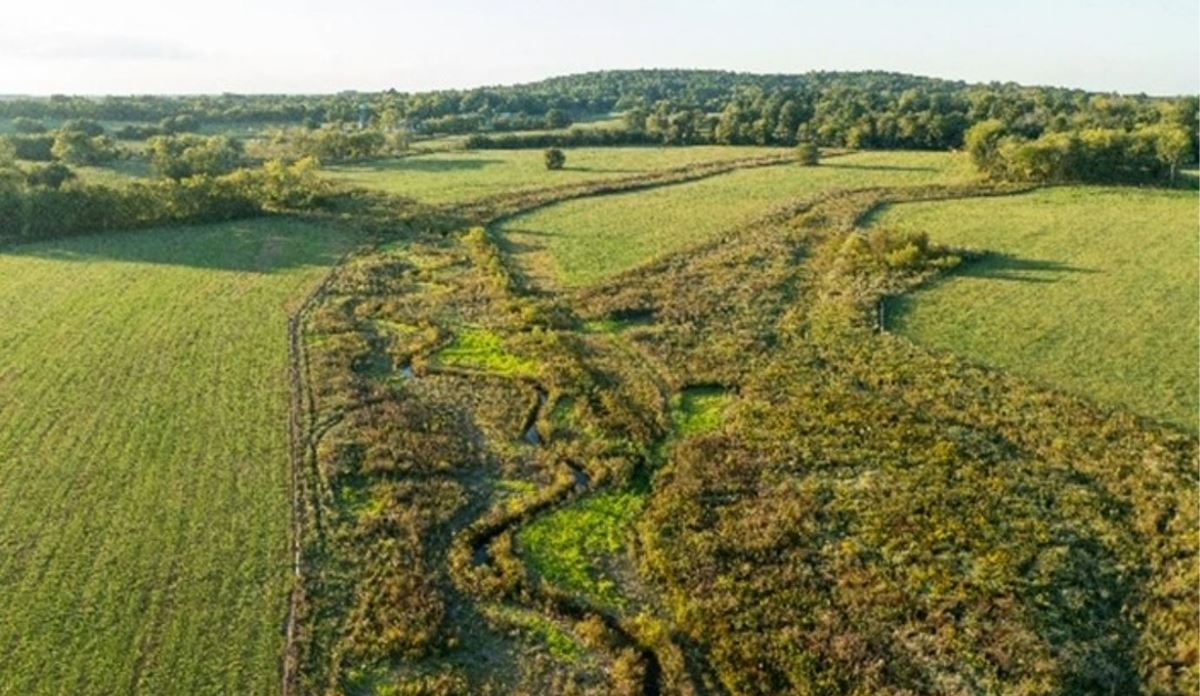
Balancing the impacts of economic development with the conservation of natural resources is critical for ensuring continued economic security — particularly as over half of the world's economy depends on nature1. The U.S. has an estimated $2.1 trillion of GDP in nature-dependent sectors, one of the highest exposures in the world.2 At the same time, the U.S. also has one of the largest environmental credit markets in the world, creating an opportunity for natural capital investors to mitigate the risk of nature loss.
As the business sector works to address risks linked to nature loss and adopt more environmentally friendly practices, investors are increasingly seeking opportunities in nature-based solutions. These investments offer potential financial returns alongside quantifiable environmental benefits and, markets exist to monetize those benefits.
In this paper, we provide an introduction to ecosystem restoration markets in the U.S., including an overview of the policy foundation, market-based framework, and projects. We conclude with a discussion of how an allocation to ecosystem restoration offers potential portfolio-level benefits as well as some of the unique risks compared to traditional timberland or farmland.
Related articles

Where farmland returns actually come from
Agri Investor Keynote Interview: Adding Value from Ecosystem Restoration

Nuveen Natural Capital Sustainability Report 2026
About the author

Contact us

















- +44 20 3727 8000
- 201 Bishopsgate, London, United Kingdom
Endnotes
1 WEF_New_Nature_Economy_Report_2020.pdf
2 Ibid