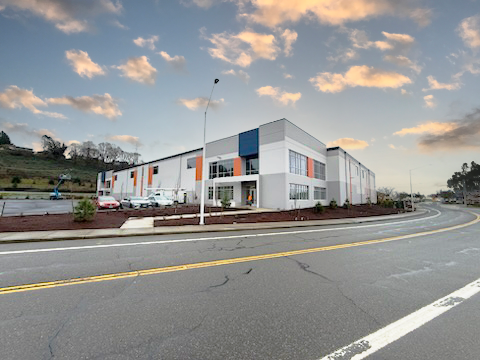


Fruit Valley Logistics Center is an off-market acquisition of a Class A, light industrial property located in Vancouver, Washington within the Portland, Oregon market. The property was constructed in 2026 with institutional-quality specifications and was pre-leased during development to a leading national packaging manufacturer, underscoring the desirability of the location and the property’s ability to attract high quality tenants.
Located less than three miles from Interstate 5, a vital highway connecting major cities across California, Oregon, and Washington, the property provides direct connectivity to the Port of Vancouver. This makes the property an ideal fit for companies that require high quality warehouse and distribution space with proximity to major transportation hubs. Additionally, the property’s infill location in West Vancouver makes this property difficult to replicate in the surrounding area, bolstering future leasing potential.
The acquisition of Fruit Valley Logistics Center deepens Nuveen’s commitment to high-quality light industrial assets in supply-constrained submarkets. The West Vancouver portion of the submarket has maintained a vacancy rate well below the broader Portland and United States averages over the past decade1, supported by barriers to new development and consistent demand from notable firms across a range of industries. This low submarket vacancy reduces the amount of available competing space, mitigating potential leasing risk in the future, making the property a dynamic and favorable addition.
Further Information:
Global city:
The Portland industrial market has long served as a key logistics hub within the Pacific Northwest, underpinned by strong highway and rail connections to other major regional population centers such as Seattle and the Bay Area. Within the Portland market's 265 million SF of industrial inventory, smaller buildings (100,000 SF and below) show a lower vacancy rate of 6.8%, about 100 bps below the market average, reflecting limited availability of light industrial product.2 The broader Portland market encompasses more than 2.5 million residents3 and is supported by a well-rounded local economy that spans both mature and growing industries anchored by major employers. This has resulted in the Portland market recording positive net absorption over the past five years and having a 2026 GDP growth forecast of 3.0%, making it a top 10 market for GDP growth nationally.4 Vancouver, in particular, has established itself as an increasingly attractive business destination within the market, benefitting from the absence of a Washington state income tax and relatively lower cost of living, providing confidence in the submarket’s growth trajectory.